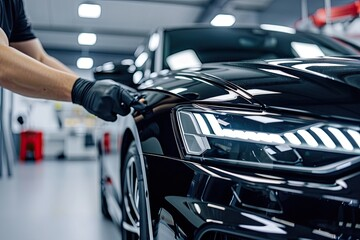
How Professional Detailing Improves Resale Value

Click Here

Dedicated professionals provide expertise, equipment, and products that dealerships simply don’t have. Plus, they manage labor costs that in-house detailing departments often can’t afford.

Clean cars sell better. Buyers assume spotless exteriors and pristine interiors signal meticulous ownership and consistent maintenance. Dealerships that track days-to-sale results can validate ROI. Click Here for more details.

1. Paint

When it comes to car resale value, paint is one of the first things that buyers look at. Scratches, dents, and fading can lower the vehicle’s market value by hundreds or even thousands of dollars. Professional detailing can restore a vehicle’s paint to its original condition and protect it from future damage.

The first step in professional exterior detailing is to thoroughly clean the vehicle using PH-neutral products. This removes embedded dirt and contaminants that regular washing and vacuuming cannot. Next, the detailer will use a variety of professional tools and techniques to remove scratches, scuff marks, and other imperfections in the paint. Lastly, the detailer will apply a sealant to protect the paint and prevent further damage.

Detailed vehicles look pristine, which creates a positive impression on potential buyers. These buyers assume that the vehicle has been well-maintained mechanically as well. A professionally-detailed vehicle commands higher prices and sells faster than a dirty or neglected car.

As a result, the investment in professional detailing pays off down the road for both car owners and dealerships. When a car is maintained regularly with detailing services, it will maintain its resale value for years to come. To learn more about how professional detailing improves resale value, contact a local detailing business or visit their website to find out more about the services they offer. Also, consider investing in a business platform like Mobile Tech RX to streamline your operations and make more money with every job. This software can help you keep track of your inventory, set variable pricing based on the car’s condition and time, and make more efficient estimates. It’s an easy way to grow your detailing business and increase revenue.

2. Wheels

A dull, rusted or stained set of wheels can make a vehicle look old and uncared for. Professional detailing removes contaminants, restores shine and depth of color, and protects against future damage. This prevents oxidation and premature wear, boosting curb appeal and resale value.

Dealerships that prioritize meticulous detail prior to sale have a clear competitive advantage. As consumers research vehicles online and expect immaculate showrooms, dealerships that partner with specialized detailers are able to scale capacity, optimize processes, and deliver exceptional results. The return on investment in dealership detail services is significant, with measurable increases across all areas of the business.

Whether they are washing the interior or preparing the engine bay, a team of detailing professionals is able to tackle tasks that many DIYers would find daunting. Using tools and high-quality products that aren’t readily available in stores, professional detailers can remove stubborn stains, restore faded trim and dashboard components, and eliminate unpleasant odors.

For commercial vehicles, fleet managers and owner-operators rely on the expertise of professional detailers to keep their fleets looking new. Using heavy-duty degreasers and pressure washing systems, these professionals are able to address the unique buildup, dirt, and grit found on commercial vehicles that traditional auto detailing methods cannot. The specialized techniques and quality products used by professional detailers allow fleets to maintain the highest level of appearance and resale value.

A clean interior reflects the way that the owner has treated the vehicle and signals to potential buyers that the vehicle has been well cared for. From a spotless dash and vents to freshly conditioned leather and fabric, the impact of a detailed interior is far-reaching. This translates into a better test drive experience, shorter sales cycles, and fewer snags at the negotiation table.

3. Interior

Car buyers place a premium on perceived care, and professional detailing ensures that interior flaws don’t detract from the final price. Hand-washing and home vacuums remove superficial dirt and debris, but stains, embedded grime, and odors require specialized cleaning and treatment. Professional steam cleaning and specialized treatments eliminate these issues to restore the vehicle’s appearance and make it easier for buyers to imagine ownership.

High-value vehicles require premium detailing, including ceramic coating and extensive interior restoration. These services can increase resale value by thousands of dollars, making them a smart investment for dealerships. Smart dealerships strategically match detailing investments to inventory categories and expected margins, scaling services up during peak seasons and down during slower periods. This flexibility enables dealerships to maximize profits on every unit and create a seamless customer experience that boosts brand loyalty and referrals.

Regardless of the type of vehicle, customers perceive a dealership’s commitment to quality when its entire lot is well-detailed. Clean, well-maintained vehicles command higher prices and sell faster than dirty or shabby counterparts. This competitive advantage translates into real-world results for dealerships, from higher average sales prices to increased inventory turnover and faster profits.

Detailing services aren’t just an expense—they’re a strategic investment that pays for itself with the first sale. By delivering a premium, showroom-ready experience to each and every customer, dealerships can reap the benefits of improved resale values, higher sales prices, faster turnover rates, and enhanced customer satisfaction. Partnering with a skilled detailing company provides dealerships with the tools, technology, and expertise to deliver measurable and lasting benefits.

4. Undercarriage

The undercarriage of a vehicle, whether on an automobile or heavy equipment, is one of the primary factors determining its selling price. A clean, rust-free undercarriage suggests a well-maintained, trouble-free vehicle. It also signals a buyer’s confidence in the vehicle’s reliability. Having your undercarriage professionally detailed is an affordable, effective way to boost your resale value in Amherst.

Unlike home vacuuming, professional detailing utilizes commercial-grade equipment and specialized products to reach difficult-to-reach areas. High-powered steam cleaners remove embedded dirt and stains that household vacuum cleaners cannot, and professional polishing systems and odor elimination systems eliminate stubborn smells that air fresheners merely mask.

For dealerships managing fleet vehicles, a clean undercarriage is vital for operational stress tolerance and customer satisfaction. Fleet managers and owner-operators scrutinize appearances, recognizing that well-maintained vehicles command premium prices and suggest reliable mechanical care.

Professional detailing isn’t just an expense, but a significant investment that delivers substantial returns in vehicle turnover rates, pricing, and overall customer satisfaction. Days-to-sale comparisons show that detailed vehicles sell 40-60% faster compared to unsealed units. Cost-savings from reduced processing times, independent of price premiums, yield substantial carrying cost savings and higher profit margins.

5. Paint Protection

A professionally waxed and sealed paint surface resists contaminant ingression, keeping it shiny and clean. Waxing and ceramic coatings also shield the car’s exterior from sun damage, preventing fading and oxidation. These long-term protections enhance the look and value of a vehicle, reducing its depreciation over time.

Interior preservation also improves resale value by preventing cracking, fading, and staining. Conditioning leather seats and removing embedded dirt reduce wear and tear, extending their lifespan. Similarly, rust prevention detailing protects wheels and undercarriage components from corrosion.

When a vehicle sits on the lot for weeks without being detailed, it loses value every day. Sun exposure fades the paint, dust settles into crevices, and odors build up. A vehicle that looks brand new after a professional detail has much greater appeal and a higher selling price.

Whether you’re a dealership managing trade-ins or preparing pre-owned vehicles for the showroom, understanding how auto detailing affects resale value is critical to your success. Tracking days-to-sale and CSI metrics related to appearance can provide immediate insight into how detailing impacts your business.

Dealerships handling semi-trucks, commercial equipment, or fleet vehicles face unique reconditioning challenges. Unlike passenger cars, these units require commercial-grade equipment and specialized products to effectively maintain their appearance and function. Heavy-duty degreasers, pressure washing systems, and specialized odor elimination systems deliver results that hand-washing and household vacuum cleaners cannot achieve. These techniques enable dealerships to quickly and accurately triage the condition of these large vehicles, enabling them to process and move more units in less time. In addition, capacity planning and workflow optimization strategies are critical to effectively managing these processes. This enables a smoother, more efficient operation and maximizes profitability by freeing up space for new and used inventory.
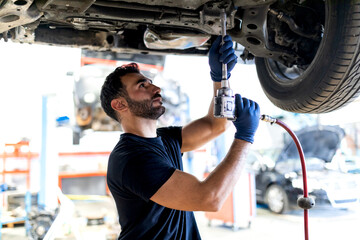

Car Services for Reliable and Efficient Vehicle Care

Cars are an essential part of daily life for many people, providing freedom, convenience, and mobility. Yet keeping a vehicle in good working condition requires regular attention. Car services exist to maintain, repair, and improve vehicles so they remain safe, efficient, and dependable. By understanding what these services offer, drivers can make informed choices that protect their investment and ensure peace of mind on the road.

car services

Understanding Car Services

Car services include a wide range of professional activities designed to keep vehicles running smoothly. They encompass everything from routine maintenance to complex repairs, inspections, and upgrades. These services may be performed on passenger cars, trucks, or other vehicles used for personal or commercial purposes. Their primary goal is to prevent breakdowns, extend vehicle lifespan, and maintain safety standards.

Regularly using car services is similar to visiting a doctor for checkups. Preventive care helps identify potential issues before they become major problems, saving time and money in the long run.

Routine Maintenance

At the heart of car services lies routine maintenance. This includes oil and filter changes, fluid checks, tire rotations, brake inspections, and battery testing. Each of these tasks ensures that critical components operate efficiently and that the vehicle remains safe to drive.

For example, regularly changing engine oil prevents excessive wear and overheating, while maintaining proper tire pressure and rotation improves fuel efficiency and handling. These seemingly small steps add up to significant benefits, such as reduced repair costs and improved performance over time.

Diagnostics and Inspections

Modern vehicles rely on complex systems that sometimes develop hidden issues. Professional diagnostics allow technicians to identify problems quickly and accurately using specialized tools. This process involves scanning electronic control units, checking error codes, and conducting thorough inspections of mechanical and electrical components.

Comprehensive inspections also play a vital role in ensuring safety and compliance. Whether required by regulations or done voluntarily, these checks give drivers confidence that their vehicles meet necessary standards and can handle daily use without unexpected failures.

Repairs and Replacements

Even with careful maintenance, parts eventually wear out or fail. Car services handle repairs ranging from minor fixes to major overhauls. This could include replacing brake pads, fixing leaks, repairing exhaust systems, or addressing engine and transmission problems.

Professionals who specialize in car repairs have the expertise to diagnose root causes and perform work to restore the vehicle to proper condition. By relying on qualified technicians, drivers avoid the risks associated with incomplete or incorrect repairs.

Tire and Brake Services

Tires and brakes are critical to safety and performance. Car services often offer tire installation, balancing, alignment, and pressure checks to ensure even wear and better fuel efficiency. Properly maintained tires also enhance traction and reduce the chance of blowouts.

Brake services include inspecting pads, rotors, and fluid levels, as well as repairing or replacing components when necessary. Since brakes are a vehicle’s primary safety system, regular attention to them is essential for preventing accidents.

Battery and Electrical Systems

The battery and electrical system power everything from starting the engine to running lights, entertainment, and safety features. Car services provide testing, charging system inspections, and battery replacements when needed. They also troubleshoot electrical issues such as malfunctioning sensors, wiring problems, or faulty alternators.

Keeping the electrical system in top condition prevents inconvenient breakdowns and ensures that modern features like navigation, climate control, and driver assistance operate correctly.

Air Conditioning and Heating

Comfort systems like air conditioning and heating also benefit from regular service. Technicians can check refrigerant levels, clean filters, and inspect compressors or heaters. A well-maintained climate control system not only keeps passengers comfortable but also helps defog windows and improve visibility during adverse weather.

Emergency and Roadside Assistance

Some car service providers extend their offerings to include emergency or roadside assistance. This might involve towing, jump-starting a dead battery, changing a flat tire, or unlocking a vehicle if keys are lost. Having access to these services can be a lifesaver during unexpected breakdowns or accidents, especially when traveling far from home.

Performance and Customization

Beyond maintenance and repairs, car services often offer performance enhancements and customization. This could involve installing upgraded suspension components, improving exhaust systems, adding technology features, or enhancing aesthetics with detailing. These services allow drivers to personalize their vehicles to match their preferences and lifestyles.

Customization can also increase resale value by keeping the vehicle attractive and up to date with modern conveniences.

Environmental Responsibility

Many car services are adopting environmentally responsible practices. This includes properly disposing of used oils, filters, and batteries, as well as offering eco-friendly products such as low-emission tires or high-efficiency fluids. By choosing services that prioritize sustainability, drivers can reduce their environmental footprint while maintaining their vehicles.

Benefits of Professional Expertise

While some drivers handle basic maintenance themselves, professional car services offer specialized knowledge, tools, and training that can be difficult to match at home. Certified technicians stay current with the latest technologies, safety standards, and manufacturer guidelines, ensuring that work is performed correctly and efficiently.

Using professional services also saves time and can prevent costly mistakes. Rather than guessing at the cause of a problem, experts diagnose issues accurately and provide reliable solutions.

Choosing the Right Car Service

Selecting the right car service provider is essential for achieving quality results. Drivers should look for professionals with experience, transparency in pricing, and clear communication. Reading customer feedback and asking about certifications can help ensure that the service meets high standards.

It is also wise to establish an ongoing relationship with a trusted car service provider. Regular visits build familiarity with the vehicle’s history, allowing for more personalized care and timely recommendations.

Long-Term Value of Car Services

Investing in regular car services pays off in several ways. Well-maintained vehicles are safer, more efficient, and less likely to break down unexpectedly. They also retain their value better, which can be beneficial when it comes time to sell or trade in the vehicle.

Additionally, knowing that a car is in top condition provides peace of mind. Whether commuting to work, embarking on a road trip, or simply running errands, drivers can focus on the journey rather than worrying about potential mechanical issues.

Car services are a cornerstone of responsible vehicle ownership. From routine maintenance and diagnostics to repairs, customization, and emergency assistance, these services keep cars running safely and efficiently. By relying on professional expertise, drivers protect their investment, enhance performance, and enjoy greater confidence on the road. Regular attention to a vehicle’s needs ensures not only a smoother driving experience but also long-term savings and reliability.

How to Maintain and Clean Your Window Tint For Long-Lasting Results

Window Tint Denver

The appearance and functionality of your tint depend on a diligent approach to its protection. Scratches and nicks can become highly visible and detract from its appearance and value.

Use cleaners without ammonia (tinted windows can be damaged by ammonia), and choose microfiber cloths. These materials are gentle and effective, and avoid scratching the window film. Visit Window Tint Denver for more details.

1. Avoid Scratching the Film

If you want your tint to last, it’s essential to clean and maintain it properly. Using the right cleaning supplies and gentle techniques can help your tint look flawless and perform well for years to come.

Avoid scratching the film with abrasive materials. Scratching the film can damage it and cause the adhesive to weaken, leading to bubbles and peeling over time. Instead, use a soft microfiber cloth when cleaning. Make sure you’re using a non-abrasive cleaner that is made specifically for window tint.

It’s also important to roll down your windows before applying cleaner to avoid damaging the film with steam. Also, avoid blasting the heat or air conditioner immediately after parking in extreme temperatures, as this can also damage your tint.

Regularly dusting your tint with a soft microfiber cloth helps to keep it looking new and reduces the need for frequent deep cleaning. It can also prevent scratches from forming, which can damage the tint.

You should also avoid using abrasive materials on your tint, such as scrubbing pads or rough sponges. These can cause scratches on the surface of your tint and reduce its clarity. Instead, use a soft microfiber or squeegee when cleaning your tint.

When cleaning your window tint, it’s best to do so in the shade. This will prevent the cleaning solution from drying too quickly and causing white spots on your tint. You should also have a bucket of distilled water on hand to rinse your cloth frequently.

Make sure you’re using a non-abrasive, ammonia-free cleaner when cleaning your tint. Ammonia can damage and discolor the window tint, and it can also weaken the adhesive that holds the film in place. Instead, use a mild soap solution or a window cleaner made for tinted windows.

If you’re having problems with your tint, such as bubbling or edge peeling, contact Shell Shocked Wraps. Our experts can help you get your window tint back in shape! With proper care and maintenance, your tint can last for years to come and provide many benefits, from UV protection to enhanced privacy.

2. Dust Regularly

Tinted windows attract dust and debris like any other surface, and regular dusting is important to keep them looking good. To avoid scratching the film while cleaning, use a soft microfiber cloth or a lint-free paper towel instead of using anything abrasive. If the tint is particularly dirty or smudge-prone, soak it in a mild soap solution for a few minutes before wiping.

Cleaning tinted windows isn’t just about ensuring they look clean—it’s also about maintaining their clarity, effectiveness, and longevity. Unfortunately, many vehicle and home owners damage their window tint by using the wrong cleaners or tools. Understanding how to properly clean tinted windows is essential to preventing scratches, fading, and adhesive breakdown.

Before cleaning, ensure that the windows are cool to the touch and in shade. Also, if your tint was recently installed, wait at least a week before you start cleaning it. Next, gather your cleaning materials and make sure you have a spray bottle with ammonia-free glass cleaner and a microfiber towel or squeegee that won’t scratch the film.

Ammonia-based glass cleaners are one of the biggest threats to tinted windows, as they can strip the protective topcoat and cause discoloration or bubbling. Alcohol-based cleaners are also a no-go, as they can dry out the film and leave streaks. Ideally, you should use a solution made specifically for tinted windows or a homemade mixture of mild soap and distilled water.

Once you have your cleaning supplies, it’s time to get started. Be careful when spraying the cleaning solution directly onto the window, as this can cause it to drip or run into areas you don’t want to clean, such as the back windshield. A better option is to apply the cleaning solution to a microfiber cloth or paper towel and wipe down the window in a circular motion. If you need to reach difficult-to-reach areas, consider investing in a window cleaning extension pole with a microfiber cleaning head or using a paintbrush dipped in your cleaning solution. Be sure to rinse off the cleaner completely with a clean microfiber cloth before wiping again.

3. Remove Bubbles and Edge Peeling

Bubbling or peeling window tint are signs that your tint isn’t adhering properly. Typically, the problem stems from either air, moisture, or adhesive failure. It can be fixed using a few simple methods, depending on the size and location of the bubbles. If you have large areas of bubbling or peeling, however, it may be more effective to contact a professional window tint installer, who can replace the entire section.

Proper cleaning and maintenance is the key to maintaining your window tint for years to come. Choosing the right cleaners and avoiding sharp objects or abrasive cloths ensures that your tint lasts and looks good.

When it comes to cleaning your window tint, a mild soap and water solution or a foam cleaner that is tint safe are the best options. Avoid cleaning products containing ammonia, which can damage and discolor your window tint.

Always use a soft microfiber cloth or a paper towel that is lint-free. Using an abrasive cloth or paper towel can scratch the film. Always dampen the cloth before scrubbing, and don’t forget to dry the edges of the tint. This helps prevent missed spots and streaking.

After washing your windows, wait a week before driving the vehicle again. This gives the tint time to fully cure. If you notice the windows are still sticky after a week, contact your installer for further advice or to have the issue repaired.

Once you’ve waited for the tint to cure, the first step to remove bubbles and peeling is to gently press them down. Use a plastic card wrapped in one of your microfiber cloths to push the bubbles to their nearest edge. If they don’t pop, use a needle to poke a hole in the bubbles and release the air inside.

Another way to prevent bubbling and peeling is to roll down the windows after you drive, especially in hot weather. This helps to reduce heat, which can cause the tint to shrink and degrade over time.

4. Clean the Glass

Over time, sunlight can cause the color of window tint to fade. Regularly cleaning your windows with a cleaner that does not contain ammonia can help minimize this effect and keep your tint looking great.

Always use a soft cloth to clean the glass, and do not apply too much pressure. Scratching the film with rough materials can damage it and lead to unattractive bubbles and lifting of the edges. Be especially cautious when cleaning a small area of the window where there may be an overlap with another part of the window. Using a credit card wrapped in a soft cloth, gently press the edge of the overlap toward the center of the window to avoid scratching or damaging the film.

When cleaning your windows, spray your cleaner onto a clean microfiber cloth rather than directly onto the tinted surface. This can prevent the cleaner from evaporating too quickly and leaving behind streaks. Remember to also wipe non-tinted areas of the windows as dirt can easily transfer from these surfaces onto the tinted glass. Always wipe the window in a circular motion, and remember to wash the corners of your windows as well. Washing these parts in the direction of the splice line is especially important for retaining the shape and integrity of your tint.

Once your windows have been cleaned, it is important to allow them ample time to dry. Follow the curing times set by your installer as these guidelines will ensure that the adhesive is completely dry and that your window tint is firmly attached to the window glass. Avoid rapid temperature changes as this can cause the glass to expand or contract, which may weaken the bond between the adhesive and the tint.

A combination of gentle techniques and products, along with regular inspections by a professional can help to extend the life of your tint and ensure that it looks flawless for years to come. With proper care, your tint will provide you with a range of benefits, from UV protection to enhanced privacy, for years to come.

Navigation